Spring Bird Migration: Who, When & Where
Spring is in full swing with long-distance migratory birds making their big return!
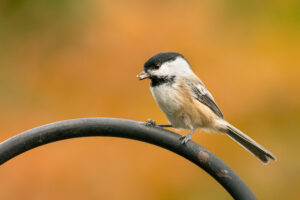
“March isn’t just another month, it’s when the sun clocks overtime and birds hit the skies for their spring comeback tour. Longer days mean more time for backyard birdwatching, and we’re here for it! We’ve enjoyed our year-round loyal locals (hey there, cardinals and chickadees), but now we’re ready to play hostess with the mostest to some of our favorite globetrotting superstars thanks to spring bird migration.”
Some of your favorite songbirds are getting ready to fly north after wintering in warmer locations. Some early birds (pun intended!) already started migrating in February, but March is when the real action begins. While some birds migrate within the United States, others migrate from as far away as South America.
You may start to see some of your favorite partial or short-distance migratory birds like the American Robin, Red-winged Blackbird, or Eastern Bluebird. More interested in long-distance migratory birds? Start looking for the Barn Swallow, which often migrates over 6,000 miles!
The Purple Martin is one of the earliest to show up on the scene ─ sometimes arriving in the southern states as early as late January! It typically returns to its nesting site by March, so make sure your martin houses are ready for check in.
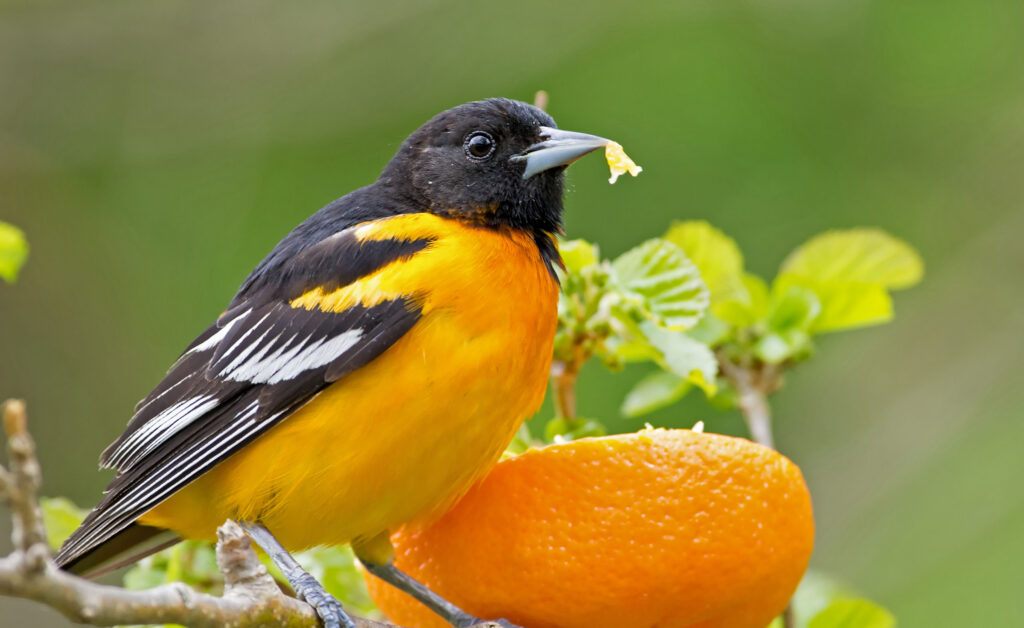
If there were a VIP list for spring migration, the Baltimore Oriole would be front and center. Rocking that electric orange-and-black combo like it knows it’s the best-dressed bird in your backyard, this spectacular globe-trotting sensation spends the winter in the tropics (Central America, the Caribbean, northern South America) and the occasional Florida “snowbird” scene. In late April and May, they make their grand return across the eastern U.S.
If you’re new to bird feeding, don’t expect Orioles to dive headfirst into your seed mix. Every now and then, one might stop by your feeder to judge your setup and see what all the fuss is about, but if you really want to impress them? Skip the seeds and serve up freshly cut oranges—halved, juicy, and displayed like you’re hosting brunch with bottomless mimosas (just hold the champagne).
Migratory Seed-eating Sensations
If seed-eating superstars are more your speed, here’s when your headliners will hit the stage (aka your backyard bird feeder):
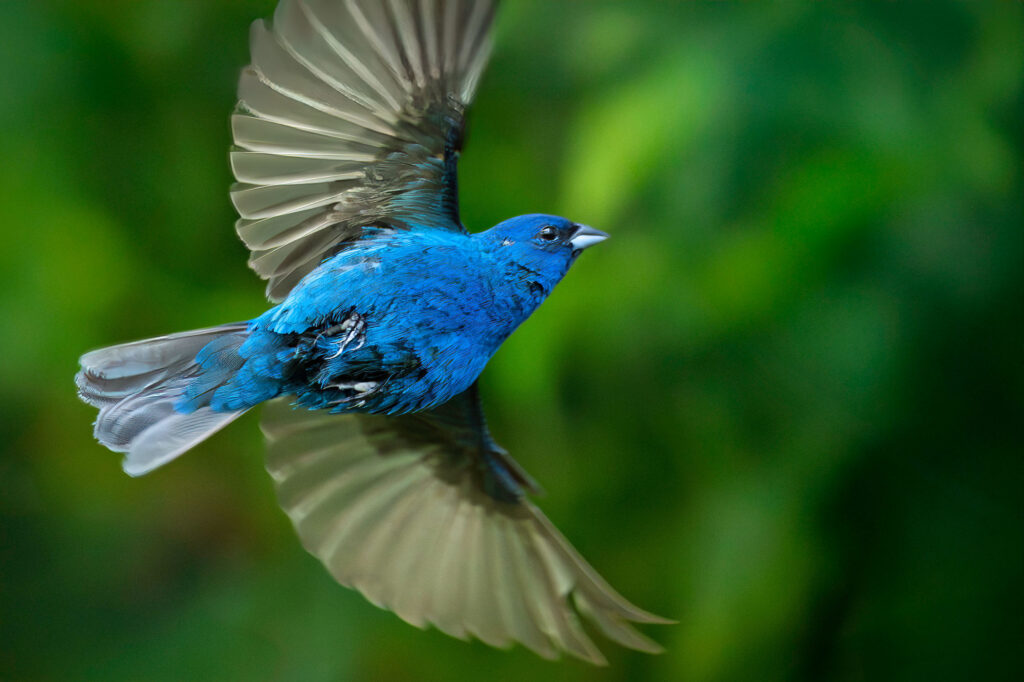
Your favorite electric-blue Indigo Buntings are catching the red-eye flight back to the U.S. using the stars as their navigation system (how cool is that?!). They’ll roll in from Central America, the Caribbean, and northern South America starting in late March and April, with northern states getting their first sightings in May. (Northwestern U.S., we regret to inform you: this show skips your venue.) Want to attract Indigo Buntings and keep them fueled? Stock your feeders with sunflower hearts or millet — think of it as their tour catering.
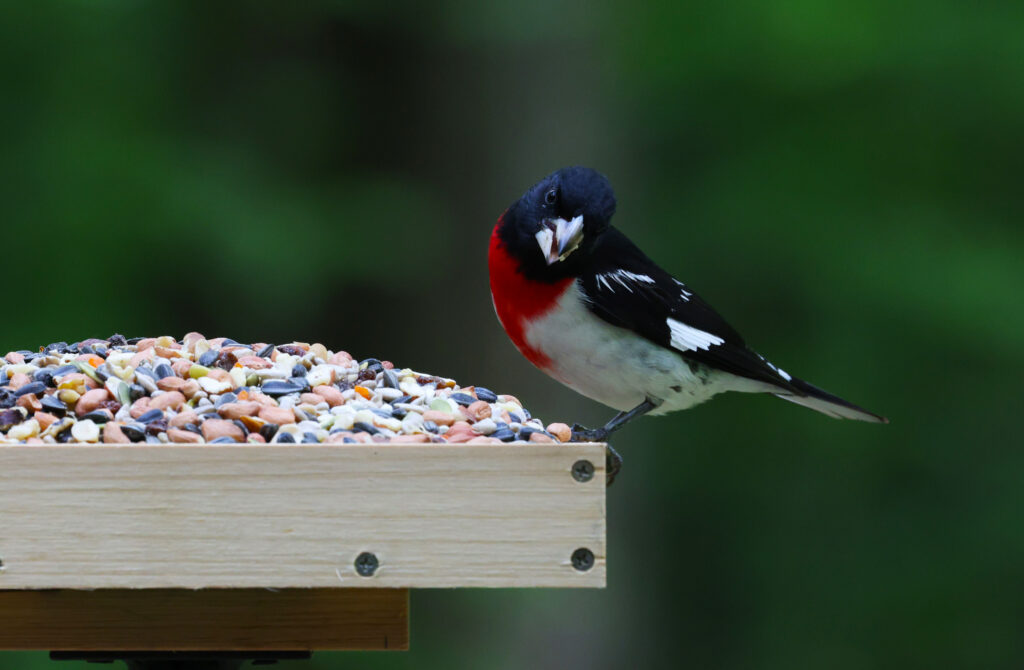
Ready for some big beak energy? Soon, your iconic Rose-breasted Grosbeaks will migrate up from the tropics and make appearances across the eastern U.S. — with surprise stops as far west as Montana, Wyoming, and Colorado — on their way to breeding grounds in the northern U.S. and Canada. Expect them fashionably late in April and May. To get on their good side, serve up a blend packed with favorite sunflower and safflower seeds. Trust us, they’ll notice the effort.
Premium Pit-Stop Tips
As migration hits its stride, it’s important to keep your feeders stocked with high-energy treats to help high-flying birds stay energized. Wild bird food blends with high-energy ingredients like sunflower seeds, sunflower hearts, nuts, and fruit offer the supersonic energy birds need to reach their destinations.
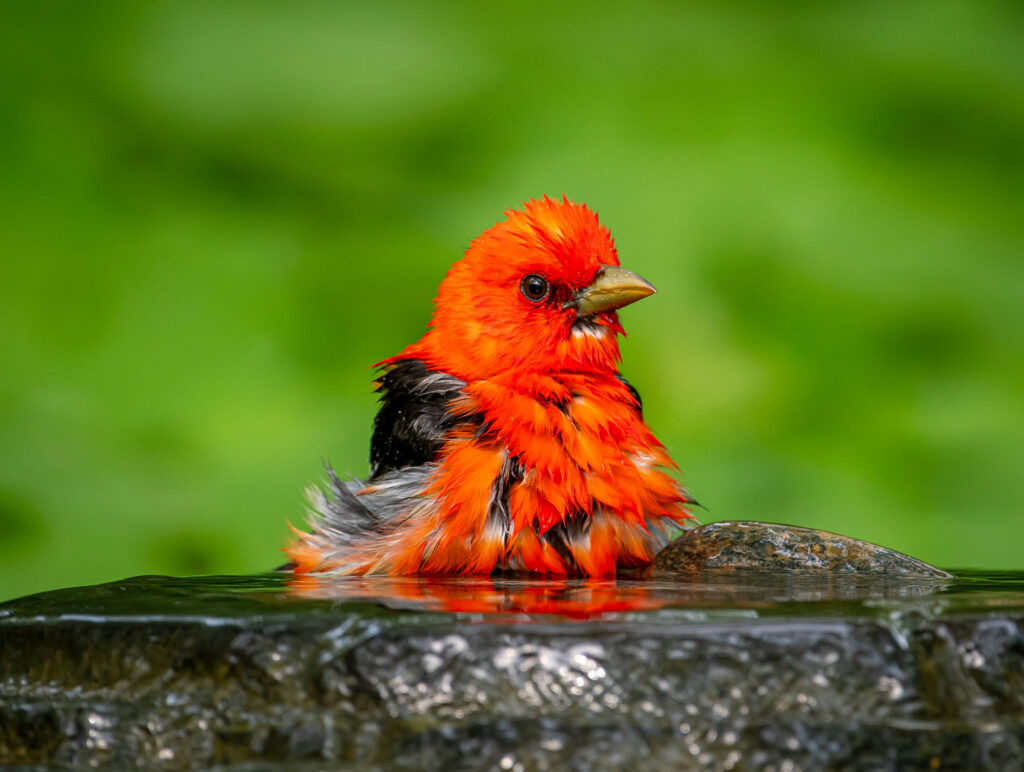
Migrating birds travel epically long distances, and the journey isn’t easy. Adding a birdbath with fresh water provides the perfect pitstop along flyways. Hydration is key for a successful journey, so make sure your water station in top (chef’s kiss) shape—clean, filled, and ready to go. Don’t let your birdbath be the dingy rest area that makes birds keep flying. Keep it clean and pristine and help your highflyers stay hydrated and healthy.
Now, if you’re lucky enough to live near a migration hotspot (lucky you!), March is a fantastic time to catch the birding bug. March Madness isn’t just for basketball. The real madness is in the sky, with thousands of birds traveling back to their breeding grounds, often with dramatic changes in flight patterns and behavior.
So, grab your binoculars, refill your bird feeder with some high-energy bird seed, and get ready to welcome the cool birds to your community. It’s an exciting time in the world of backyard birding, and if you play your cards right, your yard might be the hottest birdwatching spot on the block. As the days grow longer and the temperatures warm up, the wild bird show is only going to get better!